How Can Design Festivals Drive Cities? Talking with CMDW2026 Committee Members
เผยแพร่เมื่อ a month ago
How Can Design Festivals Drive Cities? Talking with CMDW 2026 Committee Members on Creative Districts and Urban Development
In addition to newly showcased design works and creative ideas, “space” and “space development networks” are two other crucial factors that make Chiang Mai Design Week meaningful each year beyond being just an exhibition.
For this reason, selecting creative districts and networks to drive local activities is an aspect that CEA Northern Regional prioritizes just as heavily. It is not merely about having exhibition spaces, but also about creating new opportunities for public or commercial spaces that were previously overlooked. This is evident in how Chiang Mai Design Week has contributed to sparking new commercial districts and spaces for the city over the years.
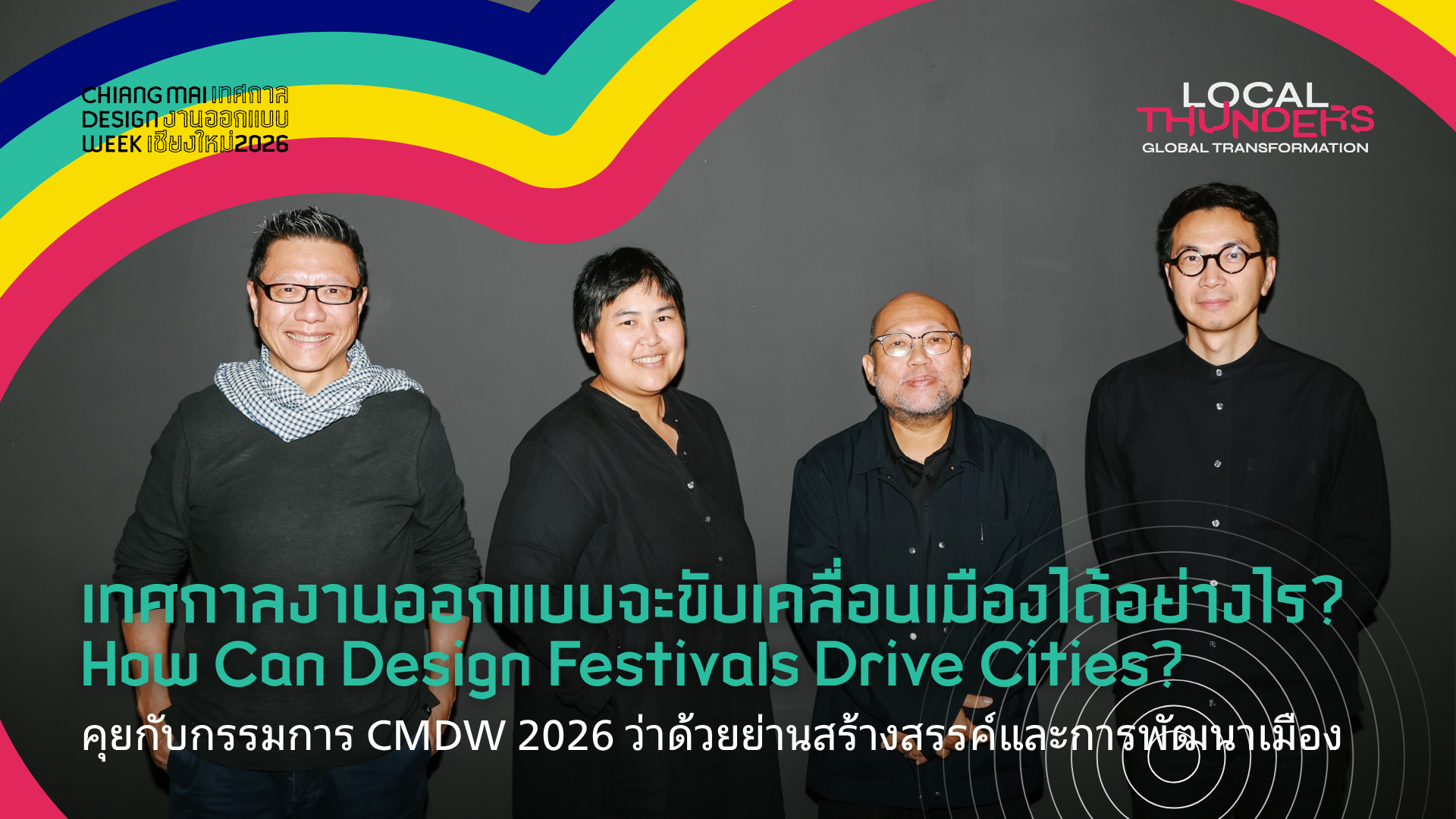
Recently, we had the opportunity to speak with selection committee members for the Chiang Mai Design Week 2026 exhibits under the Creative Communities and Networks category. The panel includes urban development academics, professors and researchers in urban design and community planning, and business leaders who pioneered city development companies. Let us hear what the committee sees or expects from this event before new districts or exciting activities come to life this year.
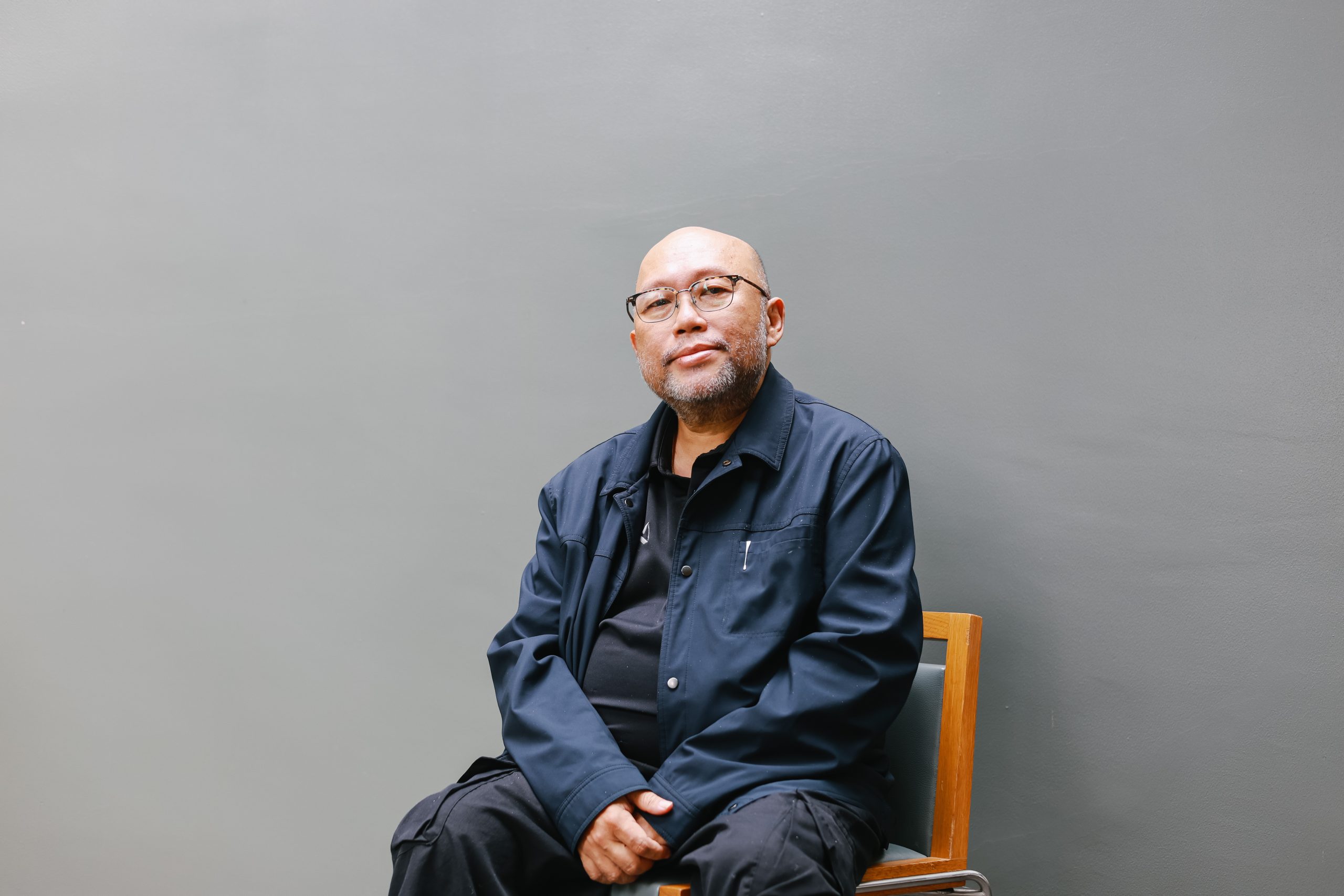
Assoc. Prof. Dr. Pitch Pongsawat is a political science scholar from Chulalongkorn University who has continuously spoken and written about “cities” for a long time, covering local politics, inequality, housing, and urban quality of life. He has become one of the most frequently cited voices when society discusses the future of major cities in Thailand. Although he previously served as a committee member for CEA on several occasions regarding creative centers and infrastructure development, this is his first time serving directly as a committee member for Chiang Mai Design Week. Here is Dr. Pitch’s perspective on design as a tool for urban development in Chiang Mai.
“In the past, when speaking of creative districts, we usually thought of transforming old buildings or historic neighborhoods. But today, I see a broader and deeper trend where creators do not always need to alter old things. Instead, it can be about returning to understanding the meaning of what once happened, what disappeared, or the memories of that space, as well as engaging people more with various districts or spaces, which is the crucial point.
Chiang Mai is a city with excellent cultural capital, both old and new, and strong creative assets. However, the city’s challenge is how well its people can actually live off real-world creativity. Chiang Mai might be a city that ‘produces less than it consumes’ and lacks businesses that comprehensively support workers in this field. Unless you are a true local with a home or an existing foundation, how can creators with little economic capital survive in this city?
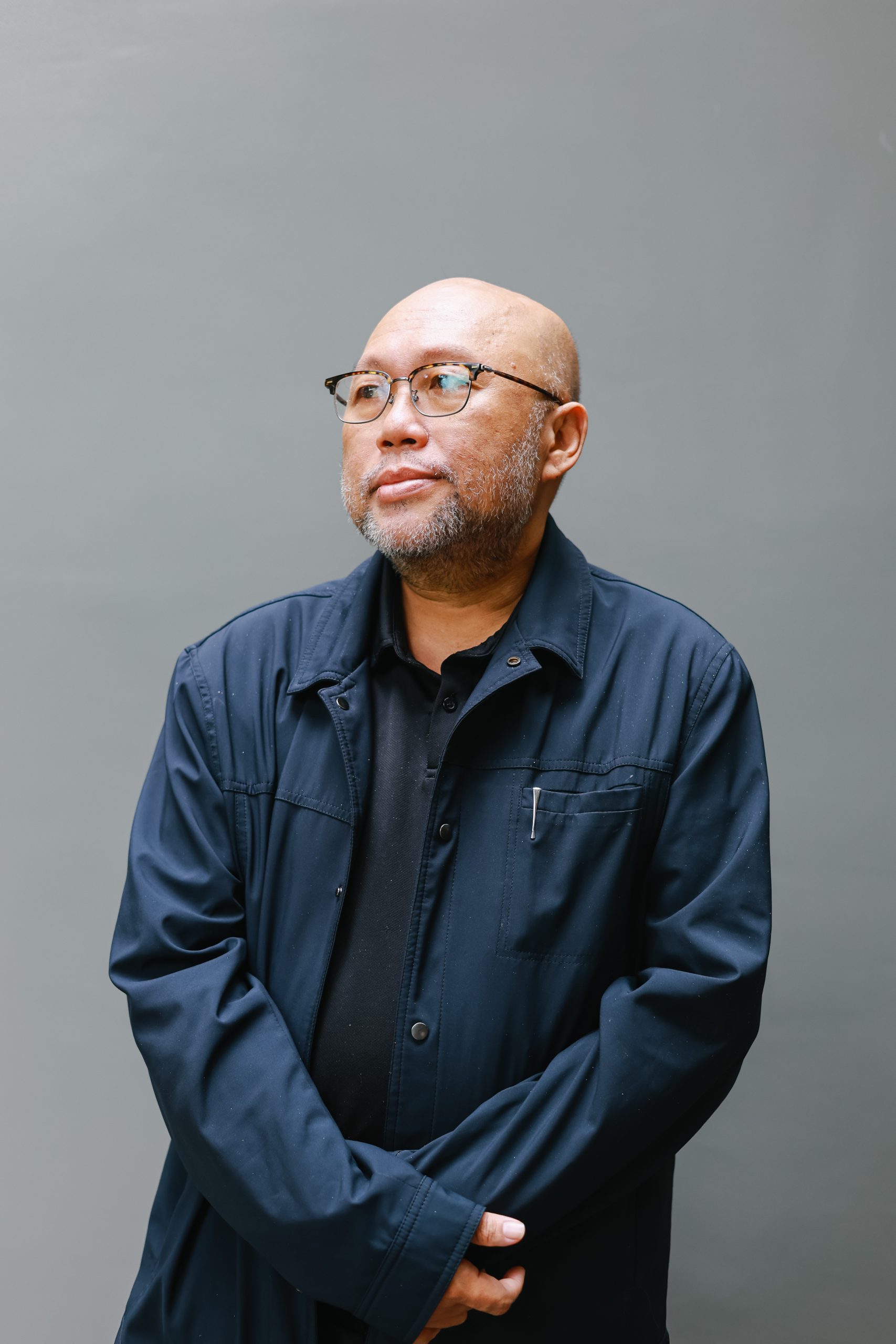
To me, a creative city does not just mean having beautiful shops, craft items, designated spaces, or frequent creative activities. It must enable creative workers and general workers alike to sustain their lives.
This is the key question I am looking for in the proposals for Chiang Mai Design Week this time. As a selection committee member, I found that many projects submitted interesting proposals, but they might not yet touch upon structural levels or question the economic sustainability of people in the creative industry in this city or the Northern region. This is the issue Chiang Mai Design Week should focus on. At the same time, it needs to build collaboration across various sectors to push these projects forward, helping answer the larger questions about raising urban quality of life and making creative districts economically sustainable.”
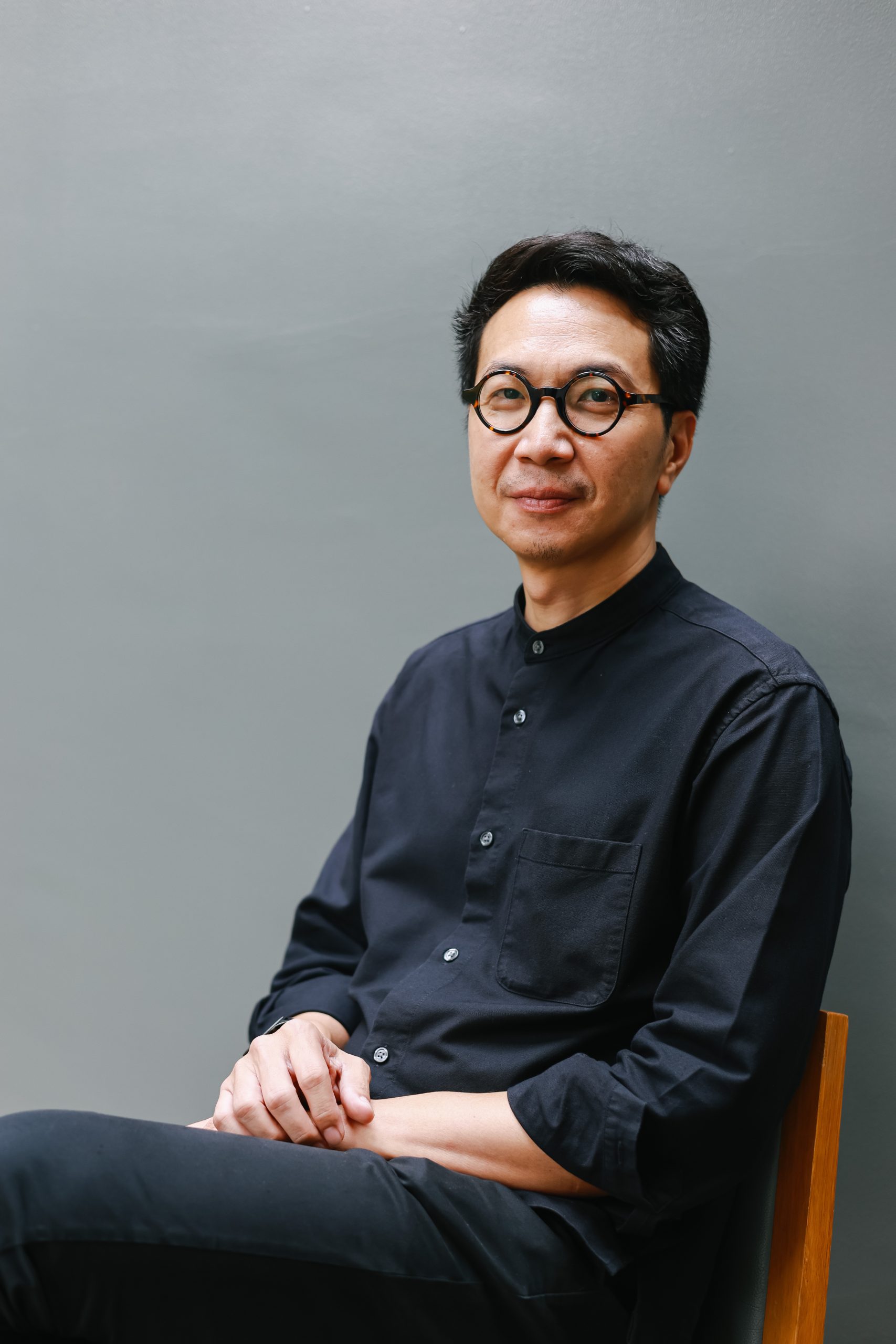
For Asst. Prof. Dr. Singhanat Sangsihanat, an urban design and community planning scholar, a design festival is not merely an annual stage to present creative works or new innovations. It is a space that allows participants to see urban development and problems across various dimensions. He views design as problem-solving, and when these problems become visible, it opens opportunities to coordinate collaboration to address them. This is what he expects to see in this year’s festival.
“The interesting aspect of Chiang Mai Design Week, which was the first in Thailand even before Bangkok Design Week, is its evolution over the past 12 years. It grew from an initial focus on elevating craft skills and honoring local cultural capital to playing a role in using design to solve urban issues. Most recently, it clearly pushes local identity to connect with global perspectives, as highlighted in this year’s core concept.
However, connecting with the global scale does not mean simply bringing international creative networks to exhibit. What is more important is distilling lessons on how our local assets can be developed into knowledge others can learn from, or how local thinking and capital can address global issues like climate change or sustainability.
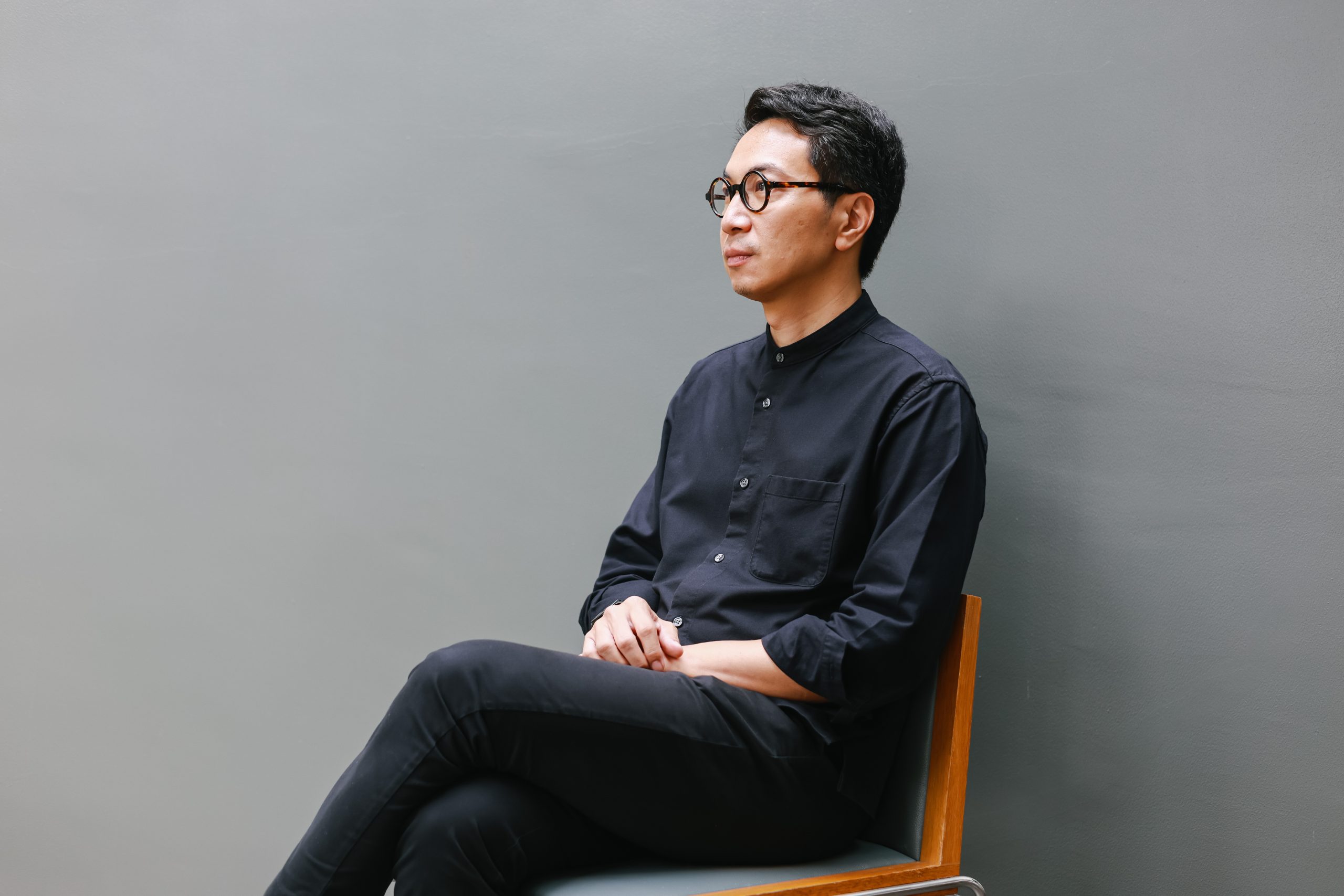
For me, a design festival helps address urban issues in terms of inequality and the survival opportunities of creative workers. This is because it serves as an experimental platform open to all parties to join the debate. Remember that solving urban problems cannot be done by any single party; every sector must work together. Having a shared space to lay out problems for everyone to see together is a great starting point for experimentation to solve issues. If an experiment fails, that is fine; we gain lessons to develop new approaches moving forward.
Therefore, the heart of Chiang Mai Design Week for me may not be having pretty pavilions, stylish showcases, or fun events. Those things are not unnecessary, but the deeper essence is how far these proposals can be expanded or used to solve real problems after the event ends.”
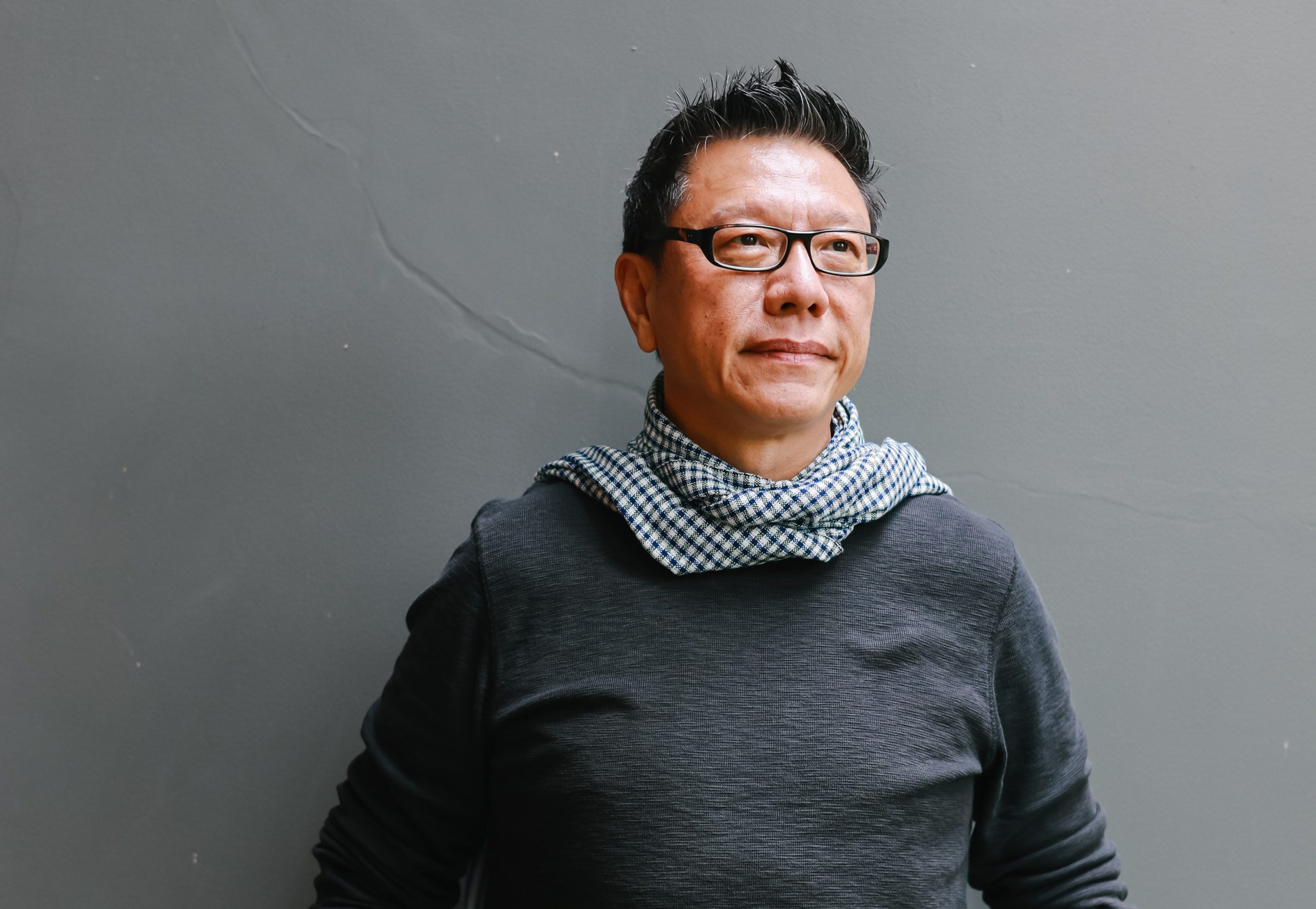
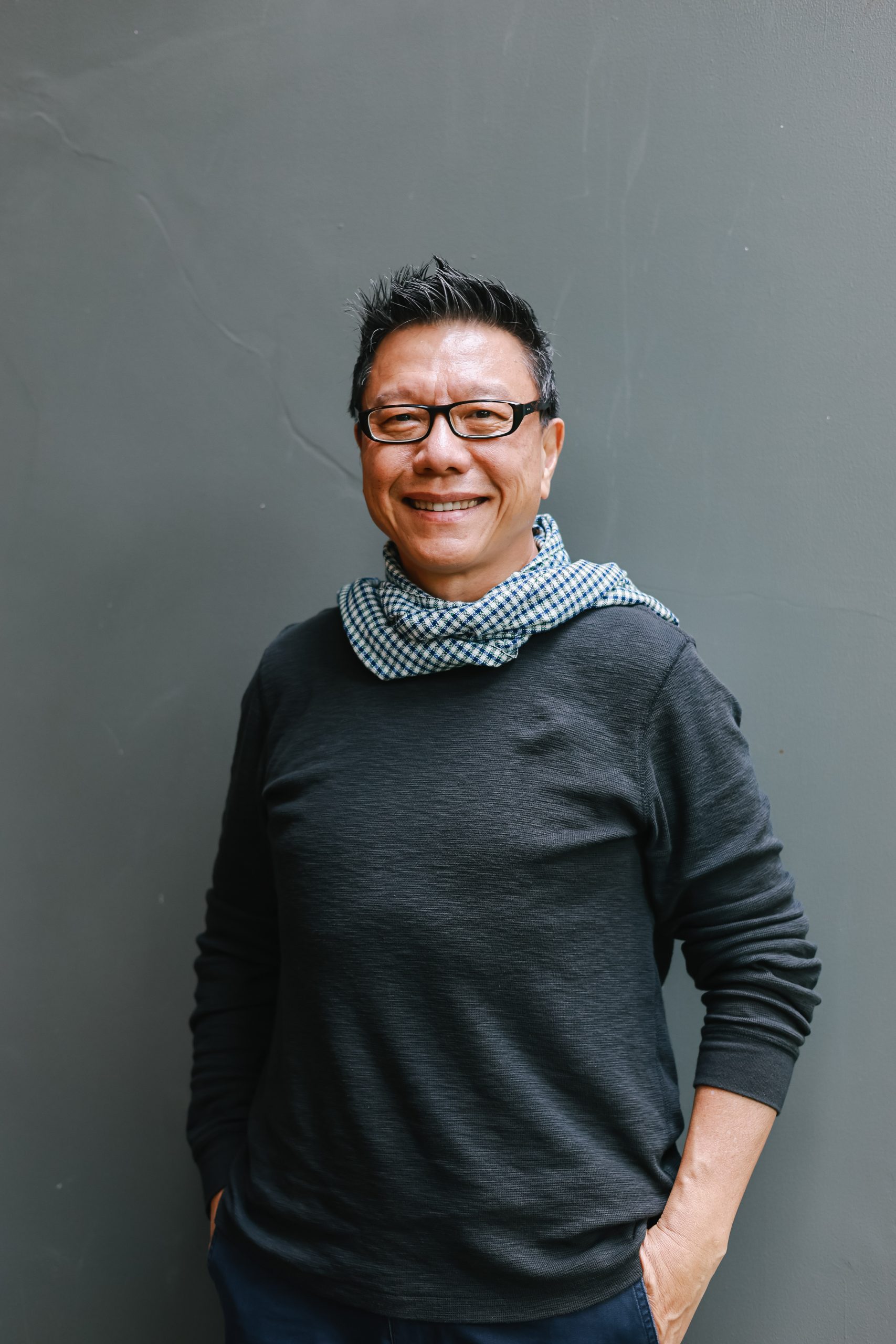
Suradech Taweesaengskulthai is the founder of Khon Kaen City Development (KKTT), one of Thailand’s first private urban development companies that pushed Khon Kaen to become a model of private sector driven city development. This includes the creative economy, public transit systems like the Light Rail Transit (LRT) project, and policy level work with the public sector. This year, he joins as a selection committee member for creative district projects in Chiang Mai for the first time, viewing the festival through the lens of a developer expecting to see real positive impacts on the city.
“The benchmark I set for evaluating projects in Chiang Mai Design Week this time is not just about activities and spaces, but trying to see what benefits these proposed projects will bring to the city long-term, including how to make them business-sustainable.
There is one very interesting project proposing the use of design processes to revitalize abandoned urban spaces back to life. This not only creates new opportunities for neighborhoods and people, but also enhances the overall city landscape.
However, as I mentioned, the key point is that we must consider economics simultaneously. If you are revitalizing an abandoned space into a coffee shop, you must think about who you are selling to, how you will sell, or how many cups you can sell per day. Or if it is an art space, you must consider revenue generation. I do not want to see beauty only at the launch; I want to see business models that make space revitalization sustainable.
I believe that if projects have supporting business models and CEA Northern Regional can connect with the municipality or the Provincial Administrative Organization, Chiang Mai Design Week will become a great stage to submit urban development proposals for the government to actually implement. When mobile cabinet meetings occur or urban development budgets are allocated, clear proposals can immediately apply for funding. But for all of this, you need ready city data to evaluate project cost-effectiveness and suitability. Connecting creators with districts, community networks, and government agencies may not be enough; it must also connect to research and academic institutions so new ideas can go further than just concepts on stage.
In the past, Chiang Mai Design Week has done well as a platform for new proposals. But the next step I want to see is having all parties, creators, the public sector, and academia, open their minds to talk from the very beginning. This will prevent ideas from being just pretty works that end with the event, making them a real part of the urban development mechanism.”
#ChiangMaiDesignWeek #CMDW2026 #LocalThundersGlobalTransformation
แชร์